
In August 2024, Leah Remini and Angelo Pagan stunned fans by announcing their decision to divorce after 21 years of marriage. The couple, who had been together for nearly three decades, made the announcement in a joint social media post, emphasizing that while they are ending their marriage, their bond remains strong and their journey is far from over. This blog will explore the details behind their decision, the legal implications of their divorce under California law, and what the future holds for their family.
The End of a Long-Term Partnership
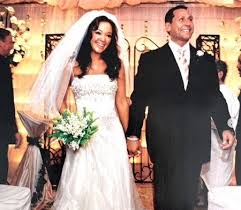
Leah Remini, widely known for her role on The King of Queens, and Angelo Pagan, an actor and businessman, met in 1996 and tied the knot in 2003. Together, they share one daughter, Sofia Bella Pagan, born in 2004. The couple had publicly shared many aspects of their relationship through various TV specials, including Leah Remini: It’s All Relative, giving fans an intimate look at their life together.
Despite their public commitment to each other, Remini and Pagan explained that over time they “grew apart” and started playing roles that no longer fit them. In their joint statement, they emphasized that their decision to divorce was made after much thought and care, and they are parting on amicable terms
Navigating Divorce Amicably
One of the most notable aspects of Leah Remini and Angelo Pagan’s divorce is their commitment to keeping the process as amicable as possible. In their filings, both Remini and Pagan requested that the court deny spousal support for either party. This is an unusual move in high-profile divorces, where spousal support often becomes a major point of contention.
By waiving spousal support, the couple signals their intention to handle the separation without financial disputes, suggesting that they are both financially secure and are focused on moving forward independently.
The Role of Co-Parenting
Remini and Pagan have one daughter together, Sofia Bella, who is now 20 years old. Although she is legally an adult, the couple has emphasized that they will continue to co-parent in a meaningful way, maintaining family traditions like spending holidays together and gathering for family events. Their public statement made it clear that, while their marriage has ended, their family remains intact in a new form.
This approach reflects a growing trend in amicable divorces where couples prioritize their children’s well-being by maintaining a cooperative and flexible co-parenting relationship.
Irreconcilable Differences and Property Division
Like many divorces in California, Leah Remini and Angelo Pagan cited “irreconcilable differences” as the reason for their split. Under California law, irreconcilable differences simply mean that the marriage cannot be repaired, and no party is required to prove wrongdoing.
As for the division of assets, the couple has yet to finalize their property settlement. Given their long marriage, any property acquired during the marriage is subject to California’s community property laws, meaning it will be divided equally unless they had a prenuptial agreement in place. Reports suggest that this is the only unresolved issue in their divorce
Bank Accounts and Debt Distribution
Another important issue that Remini and Pagan will likely face involves the distribution of debts and liabilities. California’s community property laws extend to debts acquired during the marriage, meaning that credit card debt, loans, and mortgages may also be divided between the two. In particular, California Family Code § 910 specifies that debts incurred by either spouse during the marriage are considered the liability of both parties (California Family Code § 910).
Even if only one spouse incurred the debt, both may still be responsible for its repayment. The couple will need to negotiate how joint debt will be divided to avoid future financial disputes after the divorce is finalized.
Handling Angelo Pagan’s Pre-Marital Debts
Angelo Pagan has children from a previous relationship and potentially pre-existing financial obligations that may complicate the divorce. As previously explained, under California Family Code § 910, debts incurred during the marriage are considered community debts, meaning both spouses are equally responsible. However, debts acquired before the marriage remain the responsibility of the individual. The couple must ensure that any pre-marital financial liabilities are properly accounted for and separate from community property.
Pension Plans and Retirement Accounts
Divorcing couples in California must also divide pension plans and retirement accounts, which are considered community property under California Family Code § 2610. Since Leah Remini and Angelo Pagan were married for over two decades, any contributions made to retirement accounts during the marriage are likely to be split between the two. Dividing these assets often requires the preparation of a Qualified Domestic Relations Order (QDRO), which ensures that each spouse receives their share of the retirement benefits.
Remini’s Battle with Scientology: Did It Play a Role?
Leah Remini’s very public battle against the Church of Scientology, which she left in 2013, has been a significant part of her life in recent years. While there has been speculation that her crusade against Scientology may have contributed to stress in her marriage, neither Remini nor Pagan has cited it as a reason for their divorce. In fact, Pagan supported Remini’s decision to leave the church and defected alongside her, showing unity on that front.
Maintaining Family Traditions Post-Divorce
Despite their separation, Remini and Pagan have emphasized their commitment to continuing family traditions, such as spending holidays together and maintaining a strong family bond for the sake of their daughter, Sofia Bella. While child custody is not a legal issue in this case due to Sofia’s age, the couple’s approach serves as an example of how post-divorce family dynamics can be maintained, especially in amicable separations where co-parenting agreements extend beyond childhood.

Looking Ahead: A New Chapter for Both
Despite their separation, Remini and Pagan have made it clear that they will continue to be present in each other’s lives in a meaningful way. They intend to remain close, sharing family milestones, and maintaining a supportive relationship. In their joint statement, they wrote that they are looking forward to creating more “cherished moments” in their lives, just in a different way.
The divorce of Leah Remini and Angelo Pagan demonstrates that even after a long marriage, it’s possible to part on amicable terms while maintaining family bonds. With no spousal support requested and a cooperative attitude toward co-parenting, their divorce stands in contrast to many high-profile celebrity splits. As they navigate this new chapter, their focus on mutual respect and family unity serves as an example of how divorce doesn’t have to mean the end of a supportive relationship.